
Your Basket is Empty
Email shop@aurina.co.uk for bespoke advice

Last Updated: October 30, 2026
Quick Summary
British designed homeware means a product was conceived and designed in the UK, though it may be manufactured anywhere. The design work, pattern, shape and material choices happen on these shores, while the making can happen overseas. "British designed" is not a protected term, so check where the design work happens and whether the brand is open about production.
British designed homeware means a product was conceived and designed in the UK, but not necessarily made here. The design work, the idea, the pattern, the shape, all happen on these shores. The manufacturing can happen anywhere.
That distinction matters more than most shoppers realise.
"British designed" is not a protected term in the way some labels are, so the wording on a box alone does not tell you where a piece was made.
So what separates a genuine British design-led piece from a marketing line? Three things: where the design work happens, whether the brand is open about production, and whether the piece holds up over years rather than seasons.
British designed homeware is defined by where the creative work happens, not where the factory sits. A lamp designed in a London studio and assembled overseas is still British designed. A mug copied from a foreign catalogue and stamped with a Union flag is not, no matter what the packaging claims.
Most shoppers assume "British designed" and "British made" are the same promise. They aren't.
The design side covers:
The manufacturing side covers the cutting, moulding, firing, stitching and assembly. Those are separate decisions, often made years apart.
A brand that designs here and makes abroad isn't being dishonest. The problem starts when the two get blurred on purpose.
You are paying for design skill either way. But if you assumed the piece supported local manufacturing and it didn't, you've been misled.
British-made homeware is different: the design and the production happen in the same place. That's a much stronger claim, and one worth checking.
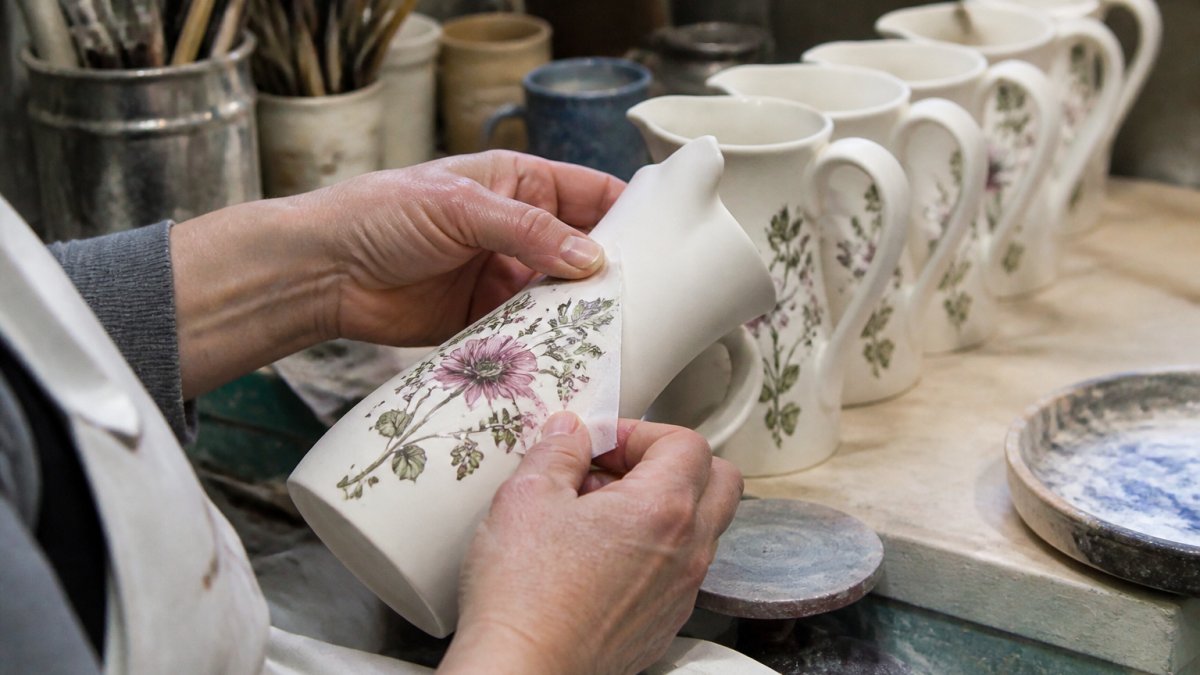
Take bone china. The Dachsie Medium Bone China Jug is hand-decorated in Stoke-on-Trent, following a standard template, so each piece comes out a little different.
The Hetty Hare Bone China Teapot is also hand-decorated in Stoke-on-Trent.

If a brand names Stoke on Trent as a production base, that's a claim you can check.
Ask yourself:
For a fuller picture of why local production matters, our piece on the benefits of buying British made homeware goes deeper into the case.
Start with the product page, not the homepage. The detail is usually buried there.
The terms that do carry weight are narrower:
Search the listing for a place name. "Made in England", "decorated in Stoke on Trent", "woven in Scotland". Vague phrases like "British quality" or "designed in the UK" tell you nothing about production.
Look for process detail. Genuine makers describe how something is made: the firing temperature, the decorating method, the mill that wove the cloth. Copycats describe how it looks.
Check the material description. Bone china, wool, linen and oak have specific origins worth stating. A brand that names its clay supplier or its yarn spinner is a brand with a traceable chain.
Look for scheme membership. If a brand claims a recognised British-manufacture scheme, check that scheme's own member listing rather than taking a logo at face value.
Read the sustainability section. Brands hiding their supply chain rarely write one, and when they do, it tends to be full of pledges rather than named suppliers.
Ask directly. A good independent will answer. If they dodge, that is your answer.
If you want the full step-by-step method, our guide on how to verify British made home decor walks through seven checks in detail.
Before you buy, see whether the brand can answer these without hedging:
Dachsie Medium Bone China Jug →
A brand that can answer all five is doing the work. A brand that answers only the aesthetic questions is telling you something too.
Camp one: brands that design and make here. They tend to be smaller, they name their factories, and their ranges are narrower because production capacity is limited. Small-batch production is the norm.
Camp two: brands that design here and manufacture abroad. Ranges are wider, prices often lower, and production detail is thinner on the ground.
Neither camp is automatically better. A well-designed piece made overseas can outperform a poorly designed one made locally. But if supporting British manufacturing is your goal, you need to know which camp you're buying from.
There's also a third, murkier group: brands that design abroad, manufacture abroad, and borrow the language. Those are the ones to filter out.
The wider case for buying locally is covered in our article on the benefits of buying locally made home accessories.
Coastal styling fails when it goes nautical-themed. Rope, anchors and shell motifs date fast. The better approach leans on material and tone instead.
What works:
Our Nellie Small Bone China Mug at £12.99 is hand-decorated in Stoke-on-Trent and dishwasher and microwave proof.

The trick is restraint. Pick three or four pieces that share a palette and let the room breathe.
If you want concrete styling ideas, our piece on unique home decor for coastal homes has plenty to work from.
Most articles on this topic stop at "buy British, it's nicer". Here are the parts that actually change a buying decision.
The terms with legal protection are narrow. "British designed" is not among them. What you can rely on falls into three buckets:
"Design-washing" is the homeware equivalent of greenwashing: borrowing the language of British design without doing the design work here. The tell is almost always in the supply chain answers.
A transparent brand can usually tell you:
A brand that can answer all five is doing the work. A brand that answers only the aesthetic questions is telling you something too. It is about noticing which questions get answered and which get deflected.
This is the angle that pays for itself, and the one most guides skip entirely. Durable goods cost more upfront and less over a decade, but only if you know how to keep them in service.
For bone china, the practical guidance is straightforward:
There is also a sustainability argument that goes beyond the label. Locally made goods travel shorter distances from workshop to home, which reduces transport emissions. That does not make every British-made product automatically greener, because materials and processes matter too, but a piece that is made close to home, repairable and long-lived is usually the lower-impact choice.

Start with something you'll use weekly, not something you'll admire monthly.
A jug, a teapot, a mug. Everyday pieces let you judge the quality properly: how the glaze wears, whether the decoration holds, whether it still looks right after a year.
Our advice, from running the shop: buy one piece first. Live with it. Then build.
Best for: anyone testing whether British design suits their home. Skip if: you need a full room scheme in one go.
No. British designed homeware means the design work, concept and styling originate here, but the manufacturing can happen anywhere. A lamp designed in a London studio may be assembled overseas. British-made homeware is a stricter claim: the product is manufactured here too. The two terms are often used interchangeably in marketing, which is exactly why it pays to read the label and ask the retailer directly before you buy.
British designed refers to where the idea and design development happened. British made refers to where the physical product was manufactured. A piece can be one, both, or neither. When both apply, you are usually looking at a smaller operation with higher material and labour costs, which is reflected in the price. Ask which claim the brand is making, and ask for the factory or workshop location if it matters to you.
Start with the product page and the physical label, which should name a country of origin. If it does not, email the retailer and ask which factory or workshop produced the item. Reputable independent brands answer this directly. You can also look for place names in the product description, such as a named pottery or mill, and check whether the brand publishes any supply chain detail. Vague phrases like designed in Britain without a manufacturing location are a signal to dig further.
Small-batch production, UK labour rates and specialist materials all push costs up. A hand-decorated bone china jug, for example, is decorated by hand in Stoke-on-Trent, so each piece varies slightly. The value question is whether the piece will last and whether you want the provenance. Ask about care instructions and expected longevity, because a durable item bought once often costs less over time than repeated replacements.
The real challenge isn't finding British designed homeware. It's telling it apart from the marketing. Aurina is an independent Norfolk boutique stocking British design-led home textiles, wallpapers, home fragrance and accessories, with bespoke interior design and custom fabric and cushion services if you want something made to order. Come and see the pieces in person, or ask us directly where each one is made. Get started with Aurina and build a home that looks like nobody else's.
Comments will be approved before showing up.
