
Your Basket is Empty
Email shop@aurina.co.uk for bespoke advice

Last Updated: November 4, 2026
Quick Summary
To buy luxury home goods online with confidence, measure your room and doorways first, set a budget that includes delivery, and read the material specification closely before you commit. Ask for extra photographs or samples, confirm the maker's provenance, and check the returns policy for large furniture before ordering.
Learning how to buy luxury home goods online rewards preparation. Beautiful pieces can arrive in rooms they were never going to suit, usually because the buyer fell for a photograph before measuring the space or settling on a look. A short planning session before you browse saves returns, regret and money.
Luxury home goods is a broad term covering furniture, tableware, soft furnishings, lighting and decorative accessories sold at the premium end of the market. The planning stage is where the good buying decisions are actually made.
Take a tape measure to the room first. Note the width of doorways and stairwells, not just the floor space, because a generous sofa that cannot clear a hallway is a costly mistake. Mark the footprint of any furniture on the floor with masking tape and live with it for a day. Check the height of ceilings if you are considering a tall lamp or sculptural lighting. Write the numbers down and keep them with you while you shop.
Your budget should cover more than the piece itself. Add delivery, any assembly, and a small contingency for the accessories that finish a room. A common mistake is spending the entire budget on one statement piece and leaving nothing for the soft furnishings that make it feel at home. Decide your ceiling before you start browsing, and treat it as fixed.
| Planning step | What to do | Why it matters |
|---|---|---|
| Measure | Doorways, floor space, ceiling height | Prevents pieces that will not fit |
| Budget | Include delivery and accessories | Avoids overspending on one item |
| Define your look | Pick two or three reference images | Keeps your choices coherent |
Verifying quality remotely comes down to three checks: read the material specification closely, ask for extra photographs or samples, and confirm the maker's provenance. A product page that hides its materials or offers only one styled photograph is a warning sign.
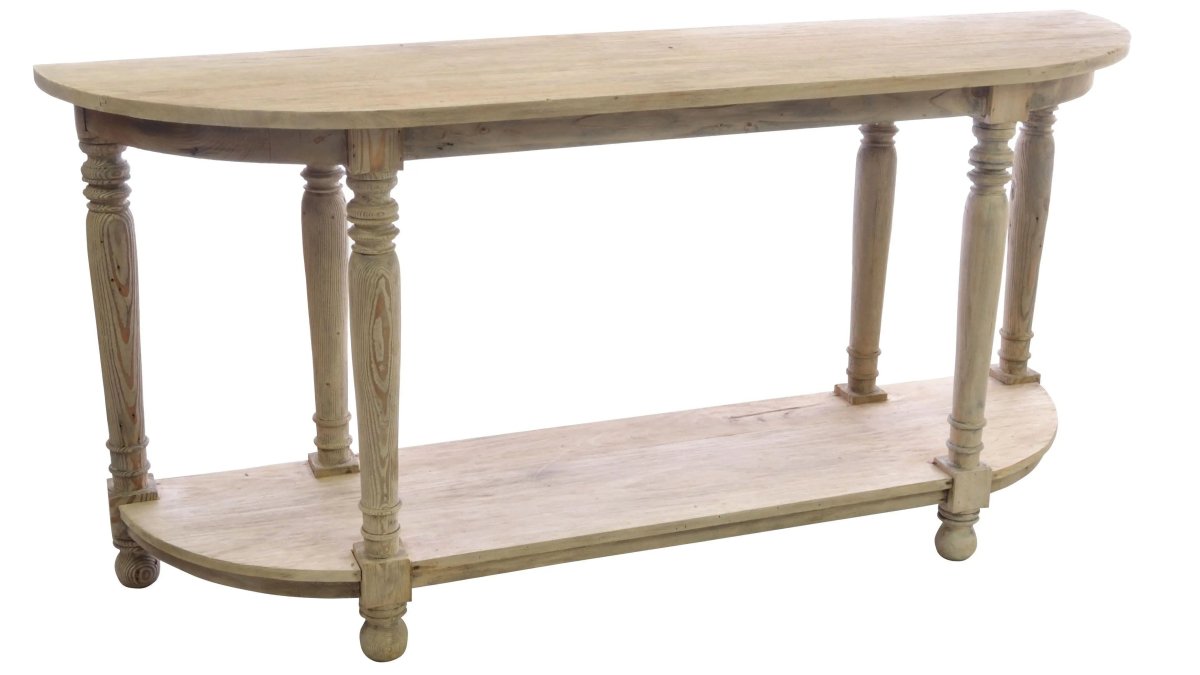
Start with the materials list. Solid timber, rattan, bone china and natural fabrics behave and age differently from composites, and a good retailer states exactly what you are buying. Our Long Console Table, for example, is described as solid mahogany with an aged vintage finish, and the listing explains that the surface is hand scrubbed and has no sealant. That detail tells you far more than a glossy photo ever could.
Read the specification as a checklist rather than a description. For upholstery, look for the frame material and joint type, the suspension (sprung or webbed), the filling (foam density or feather-and-down mix) and the fabric composition with a Martindale rub count where given. For timber, look for the species, whether it is solid or veneered, and the finish. For ceramics and glass, look for the body (bone china, stoneware, earthenware), whether it is dishwasher-safe, and the firing or tempering claim. For lighting, look for the fitting type, whether it is dimmable, and whether it is PAT-tested for UK sale. A listing that answers these points is doing the work a showroom would do in person.

Ask for photographs that a styled hero shot will not show, such as a close-up of the grain or weave and the piece in a real room for scale. If you are unsure, ask for a sample. A virtual shopping appointment lets you inspect an item with an expert before you commit. Watch out: buying from a listing with a single styled photograph and no material detail is how most online disappointments begin.

Colour is the most common remote misjudgement. Screens render colour differently, and a neutral that looks warm on a phone can read cool in a north-facing room. Ask whether the retailer can send a fabric or paint swatch, or confirm the colour against a physical sample, before committing to a large piece. Where a piece is made to order, ask how closely the finish will match a photograph, because natural materials vary.
Finally, check the small print that reveals build quality, such as how a piece is made and who makes it. A retailer who can describe how a piece is made, and why it was chosen, is usually the one worth your money.
Authenticating designer home goods means confirming where and by whom a piece was made, not just trusting a label. Provenance is the paper trail: the maker, the workshop, the materials and the process. Ask a retailer directly where an item is manufactured and how they verify it.
British design has a recognisable character, relaxed and endlessly adaptable rather than rigidly prescriptive. If you want to understand what gives an interior that English feel, Perfect English Style at £45.00 explores the qualities of patina, the role of fabrics and how to work in antique and vintage furnishings. A retailer who can point you to that kind of reference is one who knows their stock.
A practical test: ask what happens if a claim turns out to be untrue. Clear answers signal confidence. Vague ones do not.
The best luxury homeware brands UK shoppers trust share three habits: they publish detailed material specifications, they explain their manufacturing, and they stand behind their products with a clear returns policy. Spotting them is less about the logo and more about how much they are willing to tell you.
Look for product ranges that are coherent rather than random, a design-led point of view, and consistent quality across categories from tableware and ceramics to bedding and soft furnishings. An online retailer that can describe how a piece is made, and why it was chosen, is usually the one worth your money. For a wider view of trusted British makers, our guide to the best British made interior design brands is a useful next read.
Styling is where a room stops being a showroom and starts being yours. Group accessories in odd numbers, vary heights, and leave breathing space between objects. A sculptural lamp, a few ceramics and a considered scent do more than a crowded shelf ever will.
Start with the largest piece and build outward. Layer soft furnishings, such as a throw or cushion, to add warmth and texture. Finish with home fragrance, which changes how a room feels before anyone notices a single object. If you want inspiration, our edit of artisan home fragrances pairs well with natural materials and muted palettes.
Protecting your order starts before it ships. Confirm the delivery window, ask who handles assembly, and read the returns policy for large furniture specifically, because it often differs from smaller accessories. Keep all packaging until you are certain you are keeping the piece.
Know your rights before you buy. When you order online as a consumer, you have statutory rights under UK consumer law, and the official GOV.UK guidance on consumer rights explains how these apply to online purchases. These rights sit alongside, not instead of, any retailer policy. Watch out: bespoke and made-to-measure items may be treated differently, so confirm the position in writing before you order a custom piece.
Read the returns policy for the mechanics, not just the window. Check who pays return carriage on a large item and whether original packaging is required. Keep a copy of the policy at the point of purchase, because terms can change.
On delivery day, inspect before you sign. Check the outer packaging for crushing, tears or water marks, and note any damage on the delivery paperwork before the driver leaves. Unpack and inspect the piece as soon as possible, photograph any damage including the packaging, and report it promptly and in writing, keeping the photographs and your order reference.
For high-value pieces, confirm any warranty terms in writing before you buy, so you know what is covered and who to contact.
Subscribing to Aurina brings curated British design-led pieces and personalised shopping advice, and our bespoke services include custom fabrics, cushions and one-off interior pieces made to order. Our independent boutique is built for people who want a distinctive, personal look rather than a mass-market one.
If you would like help shaping a room, our bespoke interior design services show how we work with homeowners from first idea to finished space. One customer put it simply: "It was a pleasure to shop and receive such a nice welcome."
Ask the retailer to name the maker, the material and where the piece was manufactured, then check that the listing matches. Look for specific timber names, fabric compositions and dimensions rather than vague words like 'premium'. A boutique that designs and manufactures in the UK should be able to tell you which workshop made an item. Request extra photographs or a sample before ordering, and confirm the returns window in writing so you can inspect the piece properly when it arrives.
Start with the composition and the care instructions, because both tell you how a fabric will wear. Check the stated dimensions against your own measurements rather than guessing from a styled photograph. Ask for a swatch if colour accuracy matters, since screens vary. Confirm whether cushions include a pad and whether wallpaper rolls are from the same dye batch. A retailer selling luxury home goods should answer these questions before you pay, not after.
Independent boutiques usually buy in smaller quantities, so you are less likely to see your console table in three neighbours' homes. You also tend to get direct advice from the person who chose the stock. Ask how they handle delivery, what the returns window is and whether they offer made-to-order options. Smaller shops often confirm dispatch dates personally, which matters for pre-order furniture such as a rattan chair.
Check the delivery terms before ordering, especially for furniture and ceramics. Confirm whether the courier brings the item inside, whether packaging is included and what the process is if something arrives damaged. Photograph the packaging before opening and report damage within the retailer's stated window. For pre-order pieces, ask for a confirmed dispatch date in writing so you can plan around it rather than waiting without information.
Buying luxury home goods online with confidence is a matter of planning well, asking the right questions and choosing a retailer who tells you the truth about what you are buying. Aurina offers British design-led products, bespoke interior design and custom product services, and personal advice whether you visit in person or shop remotely. Get started with Aurina and furnish your home with pieces you will love for years.
Comments will be approved before showing up.
